Skip the €6 Espresso: A Realistic Rome Budget for Americans Who Hate Overpaying
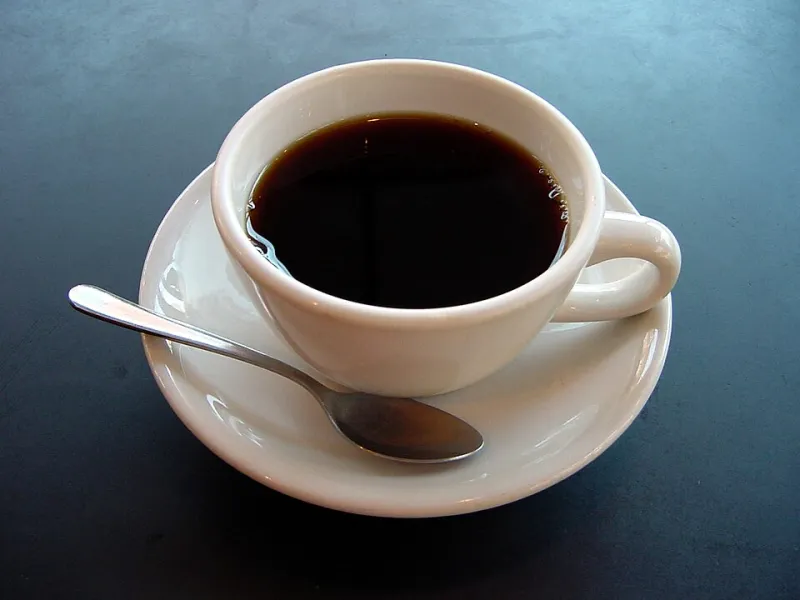
Photo: Julius Schorzman, CC BY-SA 2.0, via Wikimedia Commons
Let's get one thing straight: Rome is not expensive. New York is expensive. San Francisco is expensive. Rome just looks expensive because Americans keep walking into the café on the corner of the Pantheon and ordering a cappuccino while sitting down.
That's a €6 coffee. Two blocks away, standing at the counter where actual Romans drink, it's €1.20. That gap — between how tourists experience Rome and how the city actually works — is the entire budget story. Here's how to close it.
The Big Picture
A comfortable Rome day — good food, one paid attraction, coffee, transit — runs $85–$120 per person if you're smart, and double that if you're not. Compare that to a long weekend in Manhattan, where your hotel alone might top $400 a night, and Rome starts looking like a bargain. Because it is.
Where the Money Actually Goes
Lodging: $90–$180/night. A decent hotel room in Monti, Trastevere, or near the Vatican runs €90–€160 in shoulder season. That's a full apartment-adjacent neighborhood for less than a Days Inn near O'Hare. Book directly with small hotels — Booking.com's cut is baked into the price either way, but direct bookings often throw in breakfast.
Coffee: $1.30–$2.20. Here's the rule, tattoo it on your forearm: al banco (at the counter) is cheap, al tavolo (at the table) carries a surcharge, and anywhere with a view of a famous monument carries a robbery. A cornetto and cappuccino standing at a neighborhood bar: about €2.50 total. That's your breakfast, most days.
Transit: ~$35/week. A 7-day transit pass (the CIS ticket) costs €24.50 and covers buses, trams, and the Metro. Honestly? You may barely need it. Rome's historic center is walkable, and a single €1.50 ticket covers 100 minutes of transfers. Save the pass for when your feet give out on day three.
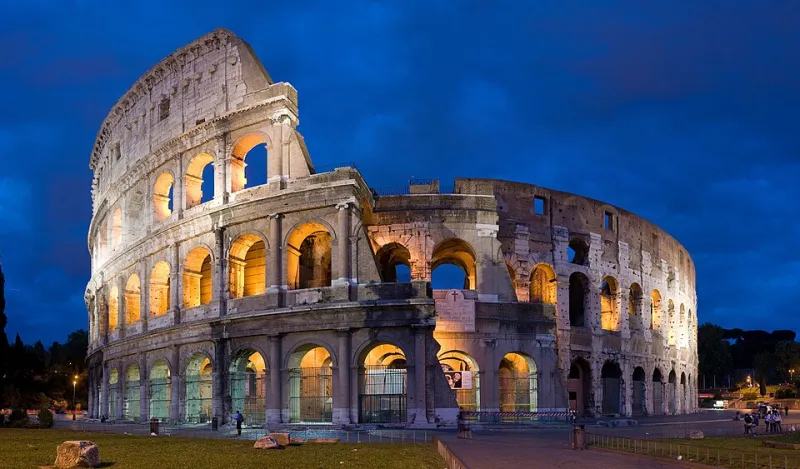
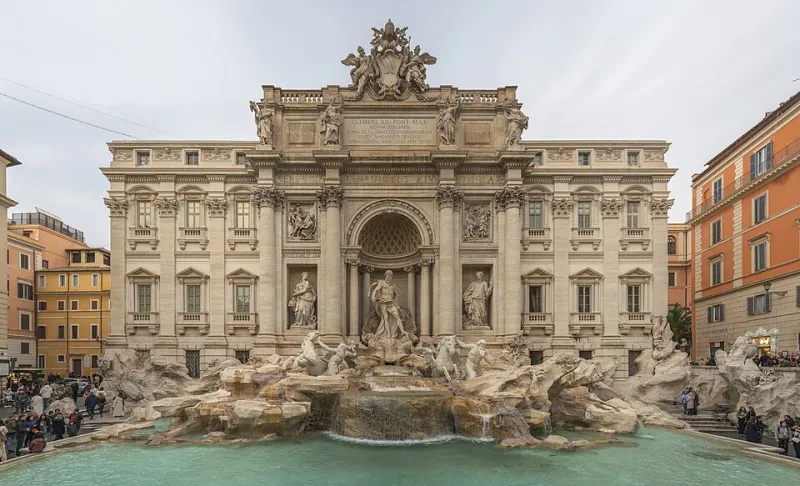
Museums and sites: $0–$20 per day. The Pantheon now charges a small entry fee (around €5). The Colosseum combo ticket is €18 and includes the Forum and Palatine Hill — a genuinely good deal. The Vatican Museums run about €20. Meanwhile, some of Rome's best sights are free: St. Peter's Basilica, the Trevi Fountain, every piazza, every church on every corner, most of which contain Caravaggios just sitting there.
Dinner: $20–$40. A primo plus secondo plus house wine at a trattoria two streets off the main drag runs €25–€35 per person. The house wine (vino della casa) is often €4–€6 for a quarter-liter and is frequently very good.
The Tourist Tax: Five Ways Americans Burn Money
- Sitting down for coffee. Already covered, but it bears repeating. The table fee is real and it compounds.
- Eating within 200 meters of a major monument. The food isn't better; it's just closer. Walk five minutes in any direction and the price drops 30% while the quality rises.
- The restaurant copy. If the menu has photos of the food and translations into four languages, you're paying for the translation. Look for handwritten menus and Italians actually eating there.
- Skip-the-line resellers. Official tickets for the Colosseum and Vatican are sold through their own websites. Third-party resellers mark up the same tickets by 50–100% for a "convenience" you can get yourself in ten minutes.
- Taxis from the airport. The fixed fare from Fiumicino to the center is €55 — but the Leonardo Express train gets you to Termini for €14 in 32 minutes, no traffic.
The Sharp Elbow Rule
There's a minor social skill involved in Roman commerce: you have to be a little assertive. At the bar, you often pay first at the register, then take your receipt to the counter — watch how locals do it and copy them. At markets, prices are more fixed than in, say, a Marrakech souk, but buying multiple items politely invites a small discount. And learn three words: buongiorno (hello), per favore (please), quanto costa? (how much?). Romans are famously warm to visitors who try; they're famously cool to ones who bark English orders. The effort is free and it pays.
The Verdict
Rome on $12 of espresso money a day? Absolutely — if that $12 buys four counter coffees instead of one table in a piazza. The city's prices aren't the problem. The tourist's habits are. Fix the habits, and Rome might be the cheapest great city in the Western world.