Three Days, One Eternal City: A Jet-Lag-Proof Rome Game Plan
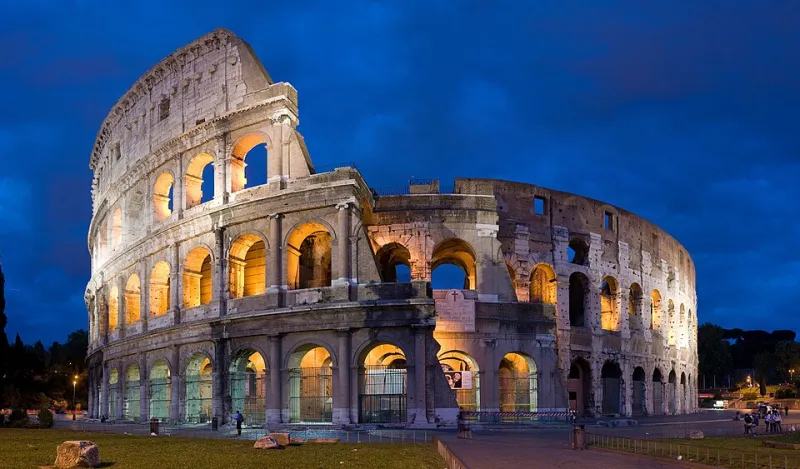
Photo: Diliff, CC BY-SA 2.5, via Wikimedia Commons
Let's be honest: most of us don't have two weeks to wander Italy. We have Thursday night through Sunday, a carry-on bag, and a burning desire to see everything. Good news — Rome rewards the efficient traveler better than almost any city on earth. The historic center is compact, walkable, and stacked layer upon layer with things worth seeing. Here's how to make 72 hours count without running yourself into the ground.
Day One: Arrive, Wander, Adjust
If you're flying in from the East Coast — New York, Boston, D.C. — you'll likely land at Fiumicino around 8 to 10 a.m. after that overnight flight where you slept maybe three hours. Don't fight it. The Leonardo Express train gets you to Termini Station in 32 minutes flat, no Roman traffic required.
Check in, drop the bags, and resist the nap. The single biggest mistake first-timers make is sleeping through the afternoon and waking up at midnight, wide awake and miserable. Instead, get outside and start walking.
The Golden Hour Walking Loop
Start around 4 p.m. — a gentle loop that covers the essentials:
- Piazza Navona — grab a coffee at a café on the square and just sit. People-watching is the point.
- Pantheon — it's free (or cheap), open until early evening, and honestly best late in the day when the tour groups thin out. That oculus of light hitting the floor? Unforgettable.
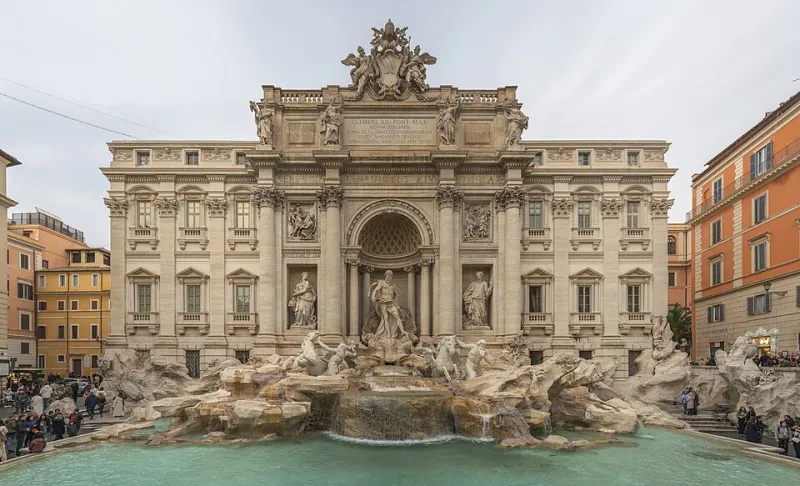
- Trevi Fountain — yes, it's crowded. Go around 7 p.m. as day-trippers leave and the evening light hits the marble. Toss your coin. You know the rules.
- Spanish Steps — end the loop here, ideally with a gelato in hand.
That's a two-to-three-hour stroll that covers four icons. By the time you sit down to dinner, you'll have walked off the plane.
Dinner, Night One
Skip the tourist traps right on the squares. Walk five minutes off the beaten path:
- Da Francesco near Piazza Navona — wood-fired pizza and carbonara that'll recalibrate your expectations forever.
- Armando al Pantheon — a trattoria institution steps from the Pantheon. Book ahead; the dining room is small.
- Roscioli near Campo de' Fiori — technically also a deli, and the cacio e pepe is worth the hype (and the wait).
Then go to bed by 10. Seriously. Tomorrow is Vatican day.
Day Two: The Vatican, Done Right
Here's the question everyone asks: do you need to book the Colosseum in advance? And the Vatican too? Short answer: yes, yes, a thousand times yes. Both sell out days — sometimes weeks — ahead, and the official sites are the way to go. Skip the third-party resellers charging triple.
Morning: Museums and the Sistine Chapel
The Vatican Museums open at 8 a.m. Monday through Saturday. Book the earliest slot you can get and be in line by 7:30. You'll walk into the Sistine Chapel with a fraction of the crowd, and you'll actually be able to look up without a sea of phones in your way. Budget two to three hours for the museums, then duck into St. Peter's Basilica — entry is free, and the scale of it genuinely stuns people.
If you've got the legs, climb the dome. 551 steps, about 10 euros, and the view over the piazza is worth every one.
Afternoon: Trastevere Recovery
Cross the river to Trastevere around 2 p.m. This ivy-draped neighborhood is where Rome goes to exhale. Get lost. Wander the cobblestones, grab lunch at a spot like Da Enzo al 29 (arrive early or put your name in and get an aperitivo nearby), and let the jet lag burn off over a spritz in Piazza di Santa Maria in Trastevere.
Evening: Aperitivo Hour, the Roman Way
Aperitivo is Italy's gift to tired travelers: order a drink around 6, and snacks come with it. It's dinner insurance and a cultural experience in one. Then dinner in Trastevere — Spirito di Vino or Otaleg (that's 'gelato' spelled backward, and yes, it's that good) will do nicely.
Day Three: Ancient Rome, Full Send
Save your biggest day for last, when you've adjusted and can actually go the distance.
Morning: The Colosseum and Forum
Book a timed entry slot for the Colosseum at opening (8:30 a.m.). With a reservation, you'll breeze past the line. Give the arena an hour, then walk straight through into the Roman Forum and up to Palatine Hill — your Colosseum ticket covers both. Stand at the top of the Forum and imagine the empire at its height. It's a lot.
Lunch Near the Ruins
La Taverna dei Fori Imperiali is a beloved family-run spot minutes from the Forum — book it. Or head toward Monti, the trendy neighborhood tucked behind the Colosseum, for cheaper eats and a younger vibe.
Afternoon: One Last Slow Moment
You've done the checklist. Spend your final hours however feels right: shopping along Via del Corso, one more pass through the Pantheon, or a long lunch doing absolutely nothing. Cap it off with dinner in Monti or a farewell stroll across Ponte Sisto at sunset.
Quick-Fire Tips for American Visitors
- Money: Cards work nearly everywhere now, but keep 50 euros in cash for small cafés and taxis.
- Water: The free drinking fountains (called nasoni) all over the city are clean and cold. Bring a reusable bottle.
- Dress code: Shoulders and knees covered for churches — including St. Peter's. Pack a light scarf.
- Tipping: Not like back home. Round up the bill or leave a few euros; that's plenty.
- Sunday: Many restaurants close, and the Pope holds the Angelus at noon in St. Peter's Square if you want to see it.
Seventy-two hours isn't enough for Rome — nothing ever is. But it's enough to fall hard, toss that coin, and start planning the return trip before your flight home even boards. That's the deal the Eternal City makes with everyone who visits. Take it.