Nonna Knows Best: 12 Family Trattorias in Rome That Time Forgot
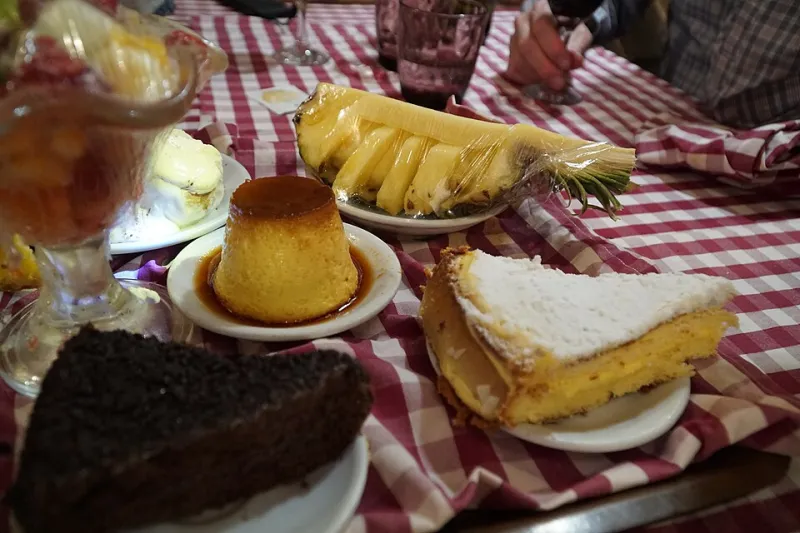
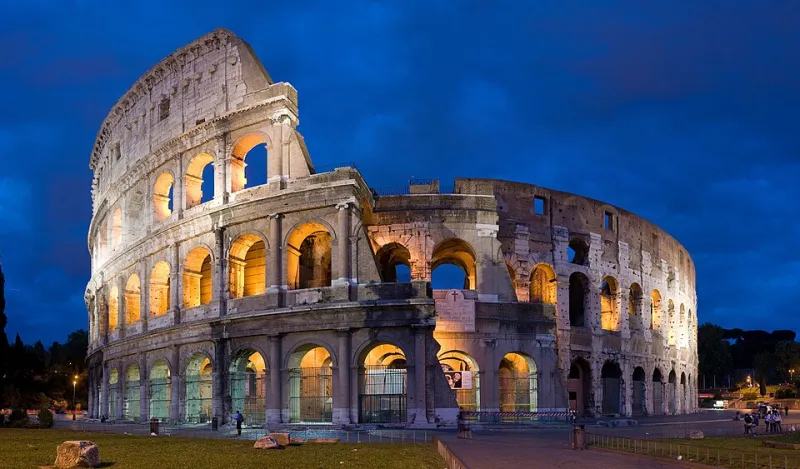
Photo: Deb Nystrom from Ann Arbor, Michigan, USA, CC BY 2.0, via Wikimedia Commons
There's a moment every American traveler to Rome eventually has: you're sitting in a restaurant near a major monument, the spaghetti arrives swimming in cream, and you realize you've been had. The menu has photos. There's a host outside waving people in. Your carbonara cost €24.
Here's the good news: the antidote is everywhere, if you know where to look. Rome's family-run trattorias — the ones with handwritten menus, checkered tablecloths, and a matriarch who has been running the dining room since the Johnson administration — aren't a myth. They're just a ten-minute walk from wherever you're standing.
How to Spot the Real Thing
Before the list, a quick field guide. A genuine Roman trattoria usually has: no English menu with photos, a short menu (if a place offers 60 dishes, the fish isn't fresh), locals eating at late hours, and a hand-lettered sign that predates your parents. If someone outside is trying to seat you, keep walking. Real Romans don't need to be recruited.
The List
1. Da Enzo al 29 (Trastevere) — Tiny, cash-friendly, and famous for a reason. The cacio e pepe is tossed right in front of you, and the amatriciana is the benchmark others are measured against. Go at opening or expect a wait.
2. Trattoria Da Danilo (Esquilino) — A neighborhood joint where the carbonara is served from a communal pan. Order the saltimbocca and don't overthink it.
3. Roscioli Salumeria con Cucina (Centro Storico) — Yes, it's gotten popular, but the deli-counter-meets-dining-room setup and the burrata-and-anchovy pasta still earn the hype. Book ahead.
4. Il Sorpasso (Prati) — Technically a bit more modern, but the kitchen treats classics with the reverence of a place twice its age. Great for travelers staying near the Vatican.
5. Da Armando al Pantheon — Three generations in, steps from the Pantheon, and somehow still a local lunch spot. The saltimbocca alla romana is the move.
6. Trattoria Monti (Monti) — Marchigian cooking run by the Camerucci family. The egg-yolk raviolo is the thing people fly home talking about.
7. Checco er Carettiere (Trastevere) — Old-school Roman fare with a slight wink. The carciofi alla giudia (Jewish-style artichokes) are worth the trip alone.
8. Da Felice a Testaccio — The cacio e pepe arrives in a pecorino wheel and gets mixed tableside with genuine ceremony. Testaccio is Rome's food soul, and this is one of its anchors.
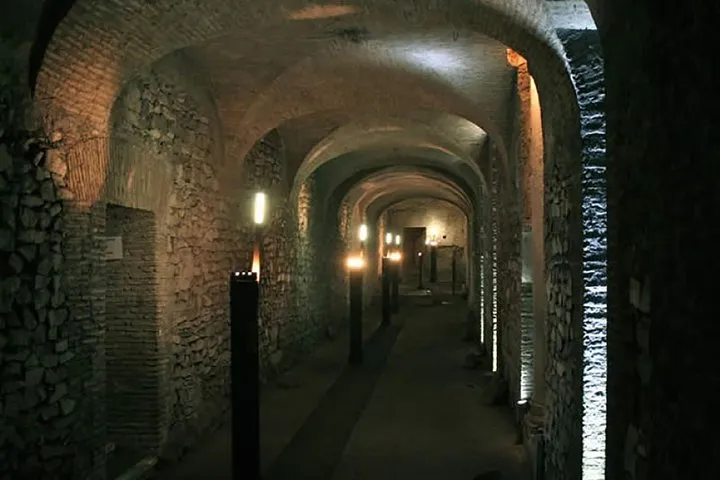
9. Flavio al Velavevodetto (Testaccio) — Built into the ancient Monte Testaccio, a hill made entirely of broken Roman amphorae. The quinto quarto (offal) dishes are for the adventurous; the rigatoni con la pajata is legendary.
10. Il Bolognese (Centro Storico) — A mid-century classic where the gnocchi della nonna appear on Thursdays, as tradition demands. In Rome, Thursday is gnocchi day — plan accordingly.
11. Al Ceppo (Parioli) — A wood-fired grill institution slightly off the tourist grid. The steak and the baked pastas feel like stepping back to 1965, in the best way.
12. Cesare al Casaletto (Monteverde) — Out toward the hills, but the fried supplì and the pasta e ceci make the bus ride worthwhile. Ask any Roman under 40; they all have a story here.
The Gnocchi Rule
Worth repeating: in Rome, Thursdays mean gnocchi. It's a tradition so old that many trattorias only serve them that day, hand-rolled in the morning. If you're in town midweek and see "gnocchi" on a menu seven days a week, that's your tourist-trap tell.
Timing Your Meal Like a Local
Americans eat dinner at 6:30 PM. Romans are still at aperitivo hour. Most trattorias open for dinner around 7:30–8:00 PM and don't fill up until 9. Show up at 7 and you'll either find a locked door or an empty room — and the empty room should tell you something too.
One Last Tip
Reservations matter more than they used to. Even these old-school spots now take bookings (many by phone only, in Italian — your hotel concierge will happily call for you). And bring some cash. The most timeless places in Rome are often the least interested in modern payment technology.