Mist Over the Forum: The Case for Visiting Rome When Everyone Else Stays Home
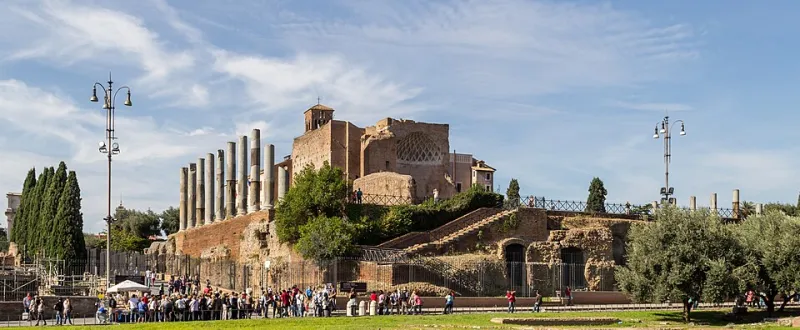
Photo: Dietmar Rabich, CC BY-SA 4.0, via Wikimedia Commons
Let's be honest about what most Americans picture when they book a Rome trip: June, sunglasses, a gelato in hand, and about four thousand other people crammed into the same photo op at the Trevi Fountain. Now let me tell you what I picture instead: a Tuesday in late November, mist rolling across the Roman Forum like the whole valley is exhaling, and — this is the part that matters — me, standing there, alone-ish, actually able to hear the wind.
Rome in the rain isn't a consolation prize. It's the director's cut.
The City Looks Better Wet
There's a reason filmmakers keep coming back to Rome in bad weather. Wet cobblestones in Trastevere glow amber under the streetlamps. The ochre and terracotta walls of Centro Storico turn almost luminous against a gray sky — the whole city looks like a Renaissance painting someone left out in the damp, in a good way. On a bright July day, the Colosseum is a bleached backdrop for selfie sticks. On a drizzly February morning, it's brooding, moody, and half-empty, and you can stand in the arena silence and imagine actual gladiators.
The numbers back up the poetry. Hotel rates in November and February routinely run 30 to 50 percent below peak season — that boutique room near Campo de' Fiori that costs $400 in May might be $180 in the dead months. Flights from the East Coast drop accordingly. And the lines? The Vatican Museums in high season can mean a two-hour wait just to get through security. In February, you can walk up at 10 a.m. on a weekday and be inside in fifteen minutes, standing in front of the Sistine Chapel ceiling with actual breathing room.
The Trattoria Math
Here's the shoulder-season secret nobody puts in the brochures: restaurants. In August, you're fighting for a table. In November, the owner of a family-run trattoria near the Jewish Ghetto will greet you at the door, hand you the real menu (not the laminated tourist one), and probably send over a free amaro at the end because he's bored and you're the only Americans in the room. Reservations you'd need to book three weeks out in spring? Call the same afternoon.
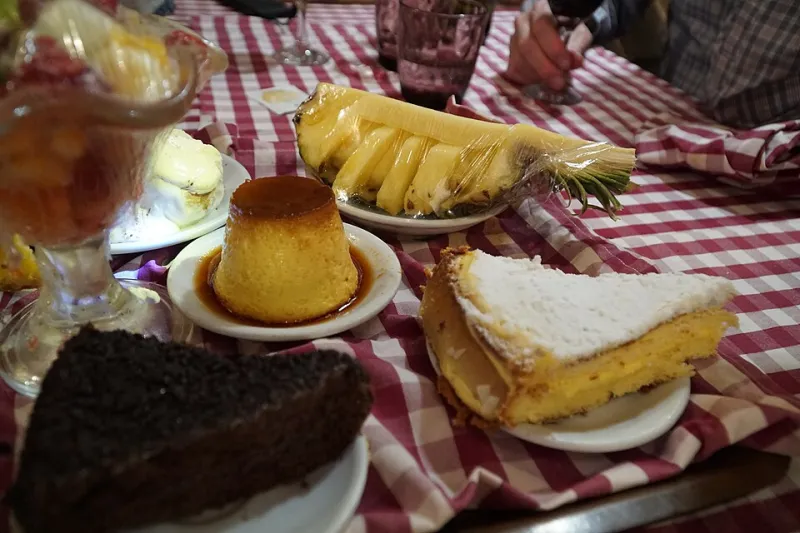
Rain also does something wonderful to Roman food. This is the season for cacio e pepe that actually gets made properly, for oxtail stewed for hours, for carbonara that steams when it hits the table. Summer Rome eats salad and hides from the heat. Rainy Rome eats like it means it.
A Rainy-Day Itinerary That Doesn't Feel Like a Backup Plan
If the sky opens up, don't fight it — Rome has arguably Europe's best indoor collection. Here's a day that works no matter what's falling from the clouds:
Morning: Start at the Capitoline Museums, Michelangelo's piazza up top, and an underground passageway connecting to the Tabularium with a direct view over the soggy Forum — you get the panorama without getting wet. Book online; even in low season it saves you time.
Lunch: Duck into the Monti neighborhood, one narrow valley over from the Colosseum. Find a wine bar with a long lunch list — a glass of Lazio red and a plate of pasta for €15-18, and nobody minds if you linger two hours watching the rain come down.
Afternoon: The Basilica of San Clemente is the ultimate rainy-day attraction: a 12th-century church sitting on top of a 4th-century church sitting on top of a 1st-century Roman house, and you descend through all of them. Bring the €5 for the underground. Alternatively, the Doria Pamphilj Gallery — a princely apartment stuffed with Caravaggios — is one of Rome's least-visited masterpieces, and you'll often have the rooms nearly to yourself.
Evening: Rainy nights are for enoteche. Settle into a wine bar near Piazza Navona or in the Jewish Ghetto, order by the glass, and let the staff pick. Rome's sommeliers are chatty and generous in the off-season — you'll leave with recommendations you'd never find online.
What to Pack (Learn From My Soggy Mistakes)
American travelers, a few hard-earned tips:
- Shoes matter more than the umbrella. Rome's sampietrini cobblestones turn into skate rinks when wet. Bring waterproof walking shoes with actual grip. Leave the slick leather loafers at home.
- A packable rain jacket beats an umbrella. Narrow sidewalks plus umbrellas equal a hostile local population. A hood keeps you mobile.
- Layers, not bulk. February Rome runs 40-55°F — milder than a Chicago February, but damp in a way that gets into your bones. A sweater plus a shell handles it.
- A daypack for church dress codes. You'll pop into basilicas constantly to warm up; keep shoulders and knees covered and you're always welcome.
When to Go
November is my pick for atmosphere — the light is dramatic, the chestnut vendors appear, and the city feels lived-in. February wins on price and elbow room, and it has a wildcard: if you time it right, you can catch the early Carnival energy or at least the tail end of the winter restaurant season at its coziest.
Either way, you'll come home with a different Rome than the one on the postcards. Quieter. Grayer. A little rain-spotted. And, if you ask me, a lot more beautiful.