Millions Are Coming for the 2025 Jubilee — Here's How to Visit Rome Anyway
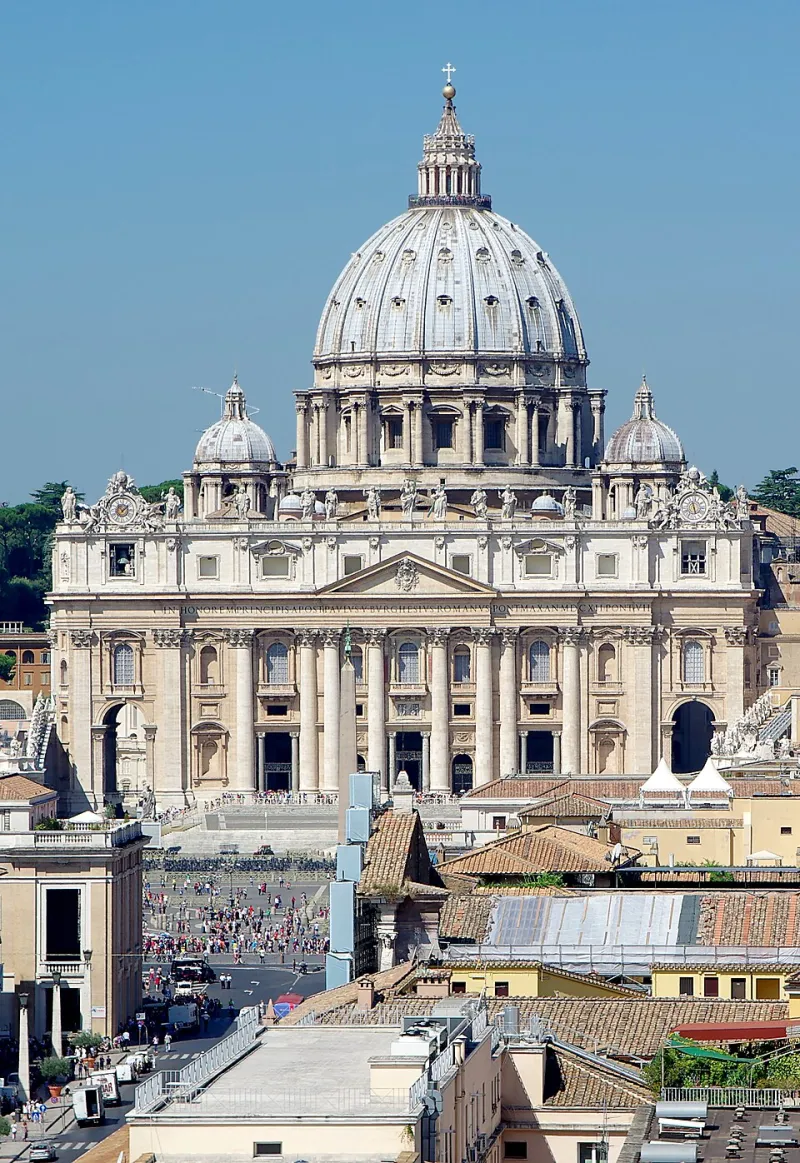
Photo: Jakub Hałun, CC BY-SA 4.0, via Wikimedia Commons
Every twenty-five years, the Catholic Church throws open its Holy Doors, declares a Jubilee, and sends a wave of humanity rolling toward Rome. For 2025, the Vatican is expecting somewhere north of 30 million visitors. That's not a typo. Thirty. Million.
If you're a US traveler with a Rome trip on the books for next year, your first reaction might be to cancel, reschedule, or quietly panic-book a trip to Lisbon instead. Hold on. Rome has absorbed pilgrims for seven centuries of Holy Years, and it's still standing. The trick is knowing where the crowds will be, when they'll be there, and — more importantly — where they won't.
First, Understand What You're Walking Into
The Jubilee runs from Christmas Eve 2024 through early January 2026, with the heaviest traffic tied to special themed weeks and canonizations. The four papal basilicas — St. Peter's, St. John Lateran, St. Paul Outside the Walls, and St. Mary Major — each have a Holy Door that pilgrims pass through for the plenary indulgence. Those four spots, plus the Vatican Museums, are where you'll find the crush.
Everything else in Rome? Business as usual, more or less. The Trastevere wine bars, the Appian Way, the Borghese Gallery — all still delightful. This is a city-level event, not a city-wide shutdown.
Your Month-by-Month Crowd Forecast
Here's the honest read on the calendar:
- January–February 2025: Surprisingly manageable. Cold, yes, but post-holiday lull means shorter lines everywhere except St. Peter's on Sundays.
- March–April: Crowds build fast, and Easter Week is essentially the Super Bowl of pilgrimages. Avoid April 13–20 unless crowds are your love language.
- May–June: Peak season meets peak Jubilee. Book everything months ahead, including restaurants near the Vatican.
- July–August: Heavy but more international-tourist than pilgrim traffic. Brutally hot — bring water and a hat.
- September–October: The second surge. Expect big numbers but decent weather.
- November–December: The smart traveler's window. Cooler air, thinner crowds, and the city dressed up for Christmas.
If your dates are flexible, aim for late January, early February, or mid-November. You'll get the Jubilee atmosphere — the decorations, the energy, the once-a-quarter-century buzz — without the shoulder-to-shoulder sardine experience.
Book the Big Stuff Before You Fly
US travelers are used to deciding things the week before. Rome in a Jubilee year punishes that habit. Lock in these items early:
- Papal Audience tickets — free, but request them through the Prefecture of the Papal Household weeks in advance.
- Vatican Museums — timed-entry tickets sell out far ahead during Jubilee months.
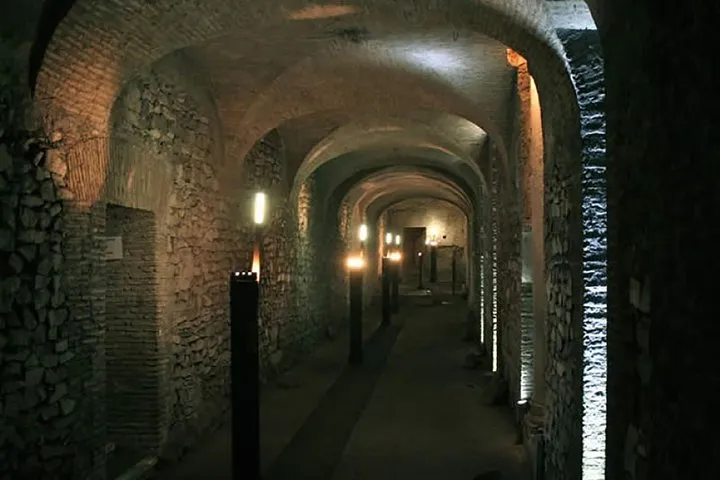
- Scavi Tour — the underground necropolis beneath St. Peter's. Book through the excavations office as soon as your flights are set.
- Hotels near the Vatican — prices spike in Prati and Borgo. Consider staying elsewhere entirely (more on that below).
The Neighborhood Strategy: Sleep Where the Crowds Aren't
Monti, just down the hill from the Colosseum, remains our favorite base for first-timers — cobblestoned, atmospheric, and walkable to everything. But for Jubilee year, we'd also give a serious look at Testaccio (food lovers' paradise, zero tourist crush), Garbatella (romantic 1920s architecture, two Metro stops from the center), and even Tiburtina for budget travelers who want cheap rooms and a direct train line.
Every one of these neighborhoods connects to the historic center in twenty minutes or less by Metro. You'll pay less, eat better, and sleep quieter than the poor souls paying triple for a closet in Borgo.
Same Spiritual Payoff, One-Tenth the People
Here's the part most guidebooks won't tell you: Rome has more than 900 churches, and only a handful of them are mobbed. If you want the transcendent, candlelit, jaw-on-the-floor experience the Holy Doors promise — without a two-hour queue — try these instead:
- Basilica di San Clemente: A 12th-century church stacked on top of a 4th-century church stacked on top of a 1st-century Mithraeum. Descending through the layers is the most powerful history lesson in Rome.
- Santa Cecilia in Trastevere: Pietro Cavallini's luminous fresco, a excavated Roman house below, and often just a handful of visitors.
- Santi Quattro Coronati: A fortress-like church on the Celian Hill with a hidden cloister and medieval frescoes. Midweek, you may have it to yourself.
- Santa Prassede: Steps from Santa Maria Maggiore but somehow overlooked, home to the dazzling 9th-century St. Zeno Chapel — the best mosaics in the city, full stop.
None of these require tickets, reservations, or patience of a saint. All of them deliver the goosebumps.
One Last Thing: Lean Into It
It's tempting to treat the Jubilee as pure obstacle. But there's something genuinely moving about a city that's been welcoming weary travelers for two millennia, doing it once again. Watch a group of pilgrims — many of them American, many of them elderly, some walking the last miles on blistered feet — pass through a Holy Door, and you'll understand why Rome keeps doing this every twenty-five years.
Go. Book early. Pick your months wisely. And when the crowds close in around the Trevi Fountain, remember: you know a better Rome, and it's a ten-minute Metro ride away.