Blinking at the Intercom: A Love Letter to Rome's Tiny Daily Defeats
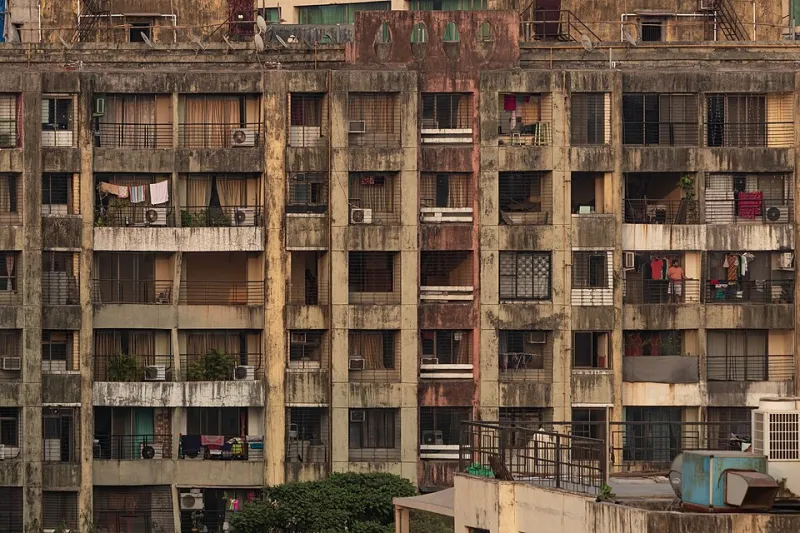
Photo: iMahesh, CC BY-SA 4.0, via Wikimedia Commons
Somewhere in a rental apartment in Monti, there's an elevator that has never once arrived when called. You press the button. The light glows obediently. Somewhere above you, machinery groans, thinks about it, and then — nothing. So you haul your suitcase up four flights of marble stairs polished by four centuries of other people's suitcases, and by the time you reach the landing, sweating and defeated, you hear it: a soft ding. The elevator, arriving for absolutely no one.
Welcome to Rome. You're going to love it here.
The Inconvenience Is the Point
American travelers are trained to expect friction-free experiences. Back home, if a hotel elevator is slow, there's a Yelp review about it by lunchtime. We have apps that tell us exactly when the bus arrives and hostess stands that text you when your table is ready. Efficiency isn't just a preference in the US — it's a personality trait.
Rome did not get the memo. Rome has never gotten any memo. Rome has been operating on its own timeline since roughly 753 BC, and it is not about to update its systems because you have a 2:30 entry slot at the Borghese.
Here's the thing nobody tells you before your first trip: the tiny frustrations aren't obstacles standing between you and the real Roman experience. They are the real Roman experience. The Trevi Fountain is the postcard. The intercom that doesn't work is the memory.
A Field Guide to Common Roman Inconveniences
Consider this your inoculation schedule. Every traveler gets these; knowing them in advance turns frustration into folklore.
The Phantom Elevator. Covered above. Expect it in roughly 80% of rental apartments. The stairs, for the record, are how Italians stay fit enough to eat pasta at every meal.
The Mystery Key. Your host hands you a key that looks like it opened a medieval monastery, explains — in a mix of Italian, gesture, and mime — that you must lift the door upward while turning the key left, then push with your shoulder. You will fail this on your first night. You will fail it on your third night. One night, without warning, you'll do it on the first try, and you'll feel a kinship with every Roman who came before you.
The Siesta Shutdown. You arrive at a charming shop at 1:15 PM. It's closed. It will be closed until 4:30. The sign says orario continuato, which it is not. This isn't laziness — it's a civilization that decided lunch and family matter more than your souvenir schedule. Honestly? They might be onto something.
The August Vanishing Act. Restaurants and shops you researched with loving care will be chiuso per ferie — closed for vacation — in August, because the owners are at the beach. Plan around it the way you'd plan around a snowstorm in Minneapolis.
The Coffee Counter Surcharge. Sit down for your espresso and it costs €5. Stand at the bar with the locals and it's €1.20. Nobody will explain this to you. Now I have.
The Bus That Was Here a Minute Ago. Rome's buses run on a schedule known only to the buses. The trick: never wait for a bus. Wait in a piazza, with a view, so the waiting becomes sightseeing.
What's Waiting on the Other Side
Here's the reward structure, and it's better than anything a loyalty program ever offered you.
Survive the mystery key, and you're staying in a 17th-century palazzo with frescoed ceilings, not a airport Marriott. Accept the siesta, and you'll find yourself napping like a local, then strolling out at 8 PM when the city is golden and the crowds are gone. Miss the bus, and you'll wander into a trattoria with six tables and a grandmother in the kitchen serving the best cacio e pepe of your life.
Every inconvenience in Rome is a toll gate, and the currency is patience. Pay it, and you get access to the version of the city that doesn't appear on itineraries — the one where you linger, improvise, and let Rome set the pace for once.
A Different Kind of Souvenir
Back home, we frame the trip photos and forget the friction. But ask anyone who's spent real time in Rome what they remember, and I promise it's not the smooth moments. It's the night they got locked out. The morning the water was shut off. The taxi driver who argued passionately about football the entire ride from Fiumicino.
So when the elevator doesn't come — and it won't — take the stairs. Look at the courtyard fountain on the way down. Buy the €1.20 espresso standing up. And when you're home in Ohio or Oregon telling friends about your trip, notice which stories you tell. They won't be about the things that went according to plan.
Rome has survived emperors, invasions, and two thousand years of tourists expecting it to run on time. It will survive your complaints, too. Your only job is to laugh, shrug, and climb the stairs.