The Keys Are the Easy Part: Rome's Best Day Trips Only a Rental Car Can Deliver
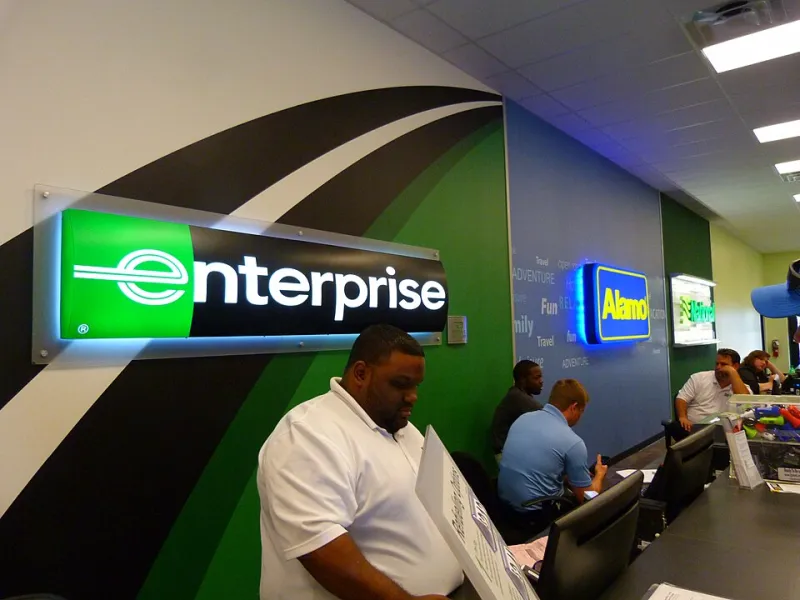
Photo: Rusty Clark ~ 100K Photos, CC BY 2.0, via Wikimedia Commons
The Car You Shouldn't Drive in Rome — and the Trips You Should
Let's get the disclaimer out of the way: do not rent a car to see Rome. We've said it before, and the scooter-swarmed traffic circles of the EUR will back us up. But there's a flip side that almost nobody tells American travelers: the moment you escape the city, Lazio opens up like a road-trip brochure. Think coastal ruins, volcanic lakes, and medieval hill towns — the kind of places where the parking lot is empty at 10 a.m. and lunch costs half what it does in the Centro Storico.
This is the itinerary we hand to friends visiting from the States: three day trips by car, one by train, and a clear explanation of when the wheel wins and when it loses.
Day One: Ostia Antica, Rome's Beachside Pompeii
Twenty-five minutes south of the city via the autostrada del mare, Ostia Antica is what happens when an entire ancient harbor city gets abandoned and left in the sun. Mosaic-floored apartment blocks, a theater you can still climb, ancient fast-food counters — it's Pompeii's mellower cousin, minus the coach tours.
Why drive: The site sits awkwardly between train stations and the coast. With a car, you can do Ostia in the morning, then roll ten more minutes to the Lido for lunch on the water. Try the fried anchovies at a stabilimento along the boardwalk and pretend you're not going back to a museum.
Day Two: Lake Bracciano and Its Castle
Head northwest about an hour and you'll hit Lake Bracciano, a volcanic crater filled with improbably blue water. The draw is Castello Orsini-Odescalchi, one of the best-preserved Renaissance castles in Italy (yes, the one where TomKat got married). Book the guided tour in advance — English slots fill up in summer.
Why drive: The lake's villages — Anguillara, Trevignano, Bracciano itself — string along the shoreline, and each is worth a stop. A car lets you hop between all three in an afternoon, with a swimming break in between. Bring towels; the lake beaches are pebbly.
Day Three: The Hill Towns — Civita di Bagnoregio and Beyond
If you've got a full day and a taste for drama, point the car north toward Tuscia, the Etruscan heartland. Civita di Bagnoregio — the "dying city" perched on a crumbling ridge, reachable only by a long pedestrian bridge — is the showstopper, about 90 minutes from Rome. On the way, Tivoli is a worthy detour in the opposite direction if Renaissance villas are more your speed.
Why drive: There is no practical way to reach Civita without a car. The nearest train leaves you 40 minutes away by bus, and the schedules are a guessing game. Arrive by 9:30 a.m., walk the bridge in cool air, and be seated at a trattoria before the day-trippers from Florence show up.
When to Leave the Keys at the Hotel
Honesty time: some classics are better by train.
- Orvieto: The regional train from Termini drops you at a funicular that whisks you straight into the hilltop town. Parking up top is a headache the train erases.
- Frascati and the Castelli Romani: Frequent, cheap trains, and the local wine means someone in your party shouldn't drive anyway.
- Anything inside the GRA: Just don't.
Practical Notes for American Drivers
Your US license works in Italy for up to a year, but you'll need an International Driving Permit — get one at AAA before you leave; it costs about $20 and takes minutes. ZTL (limited traffic) zones are the real trap: entering one by camera triggers fines that show up on your credit card months later. Park outside historic centers, use blue-line paid lots, and never trust a Roman roundabout to follow the rules.
Rent a small car. Italian medieval streets were not designed with a Chevy Suburban in mind, and neither were the parking spaces.
The Bottom Line
Rome rewards walking; Lazio rewards driving. Split the difference: spend your first three days car-free in the city, then pick up a rental on your way out of town for two or three days of countryside. Drop it at Ciampino or Fiumicino on your way home and skip the return trip entirely. It's the Rome most visitors never see — and the one locals escape to every weekend.