From the Tiber to the Bay Bridge: Inside America's Little Romes, Where Expats Recreate Aperitivo Hour
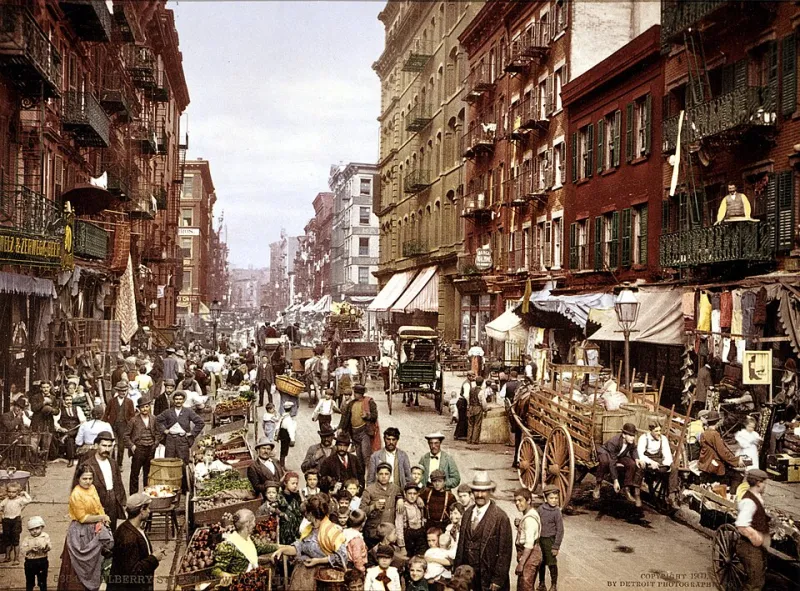
Photo: Detroit Publishing Co. , publisher, Public domain, via Wikimedia Commons
The Question Every Traveler Asks
Everyone who's had a spritz on a Trastevere piazza eventually asks the same thing: can I get this back home? The answer, it turns out, is mostly yes — with some interesting asterisks. We talked to Roman-born shop owners and café operators in Italian enclaves across the United States, and their verdict on what survives the transplant is more encouraging (and more surprising) than you'd expect.
Arthur Avenue: The Bronx's Standing Rebuke to clichés
Forget the mob-movie version of Italian America. The Arthur Avenue Retail Market, open since 1940, is where Giuseppe — a Roman who moved to New York in 2011 — gets his guanciale and his pecorino romano. "In Rome, I never thought about carbonara as culture," he laughs. "Here it's a national treasure. My American customers know the recipe better than I do."
That's the pattern you hear again and again: expats arrive missing home, then discover their own traditions through the eyes of Americans who romanticize them. The cheese counter at Calandra's, the bread ovens, the espresso bars where old men argue about Lazio matches — the bones of a Roman neighborhood are all here.
San Diego's Quiet Little Italy: Spritz Culture Goes West
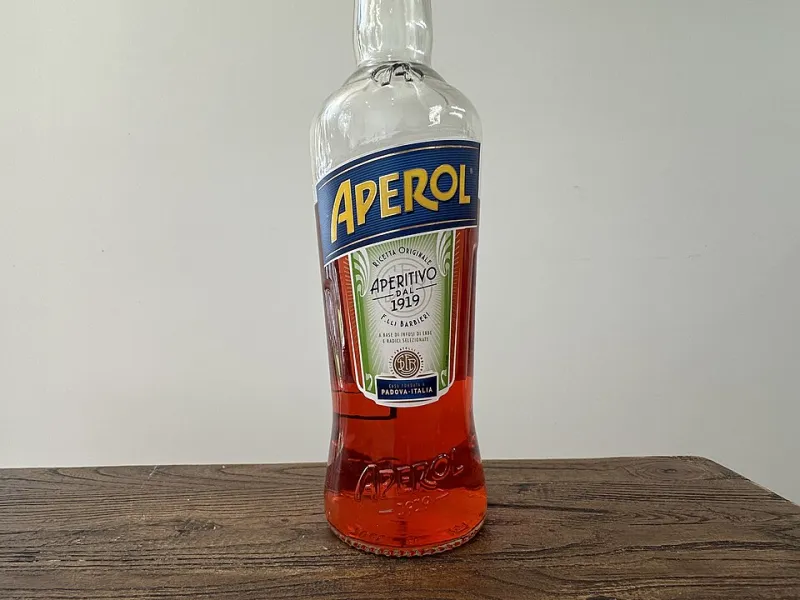
San Diego's Little Italy is a different animal — younger, sunnier, and more focused on the aperitivo itself. Bars along India Street serve Aperol and Campari with the same reverence as any piazza near Campo de' Fiori, and the Mercato farmers' market every Saturday is where you'll find actual Romans haggling over artichokes.
Marina, who left Rome for California in 2018, puts it plainly: "The food I can find. The olives, the flour, the right coffee — all of it. What I can't find is the piazza. So we made one." Her solution was a monthly neighborhood gathering modeled on Roman evening passeggiata — no reservations, no agenda, just people strolling and snacking until dark.
What Survives, What Changes
Based on our conversations, here's the unofficial expat scorecard:
- Survives intact: espresso culture (though servings get bigger), Sunday sauce rituals, the sacred separation of cappuccino and afternoon
- Adapted: aperitivo becomes a weekend event rather than a daily hour, since American work schedules don't cooperate
- Lost entirely: the notion that dinner starts at 9 p.m. "My restaurant closes at ten," one Roman-born chef in Chicago sighed. "In Rome we'd just be ordering the primo."
The Takeaway for Travelers
If you're between trips to Rome — or saving up for the next one — these neighborhoods are more than a consolation prize. They're living proof that the Roman way of life is portable: shop the market slowly, drink before you eat, linger long after the plate is empty. Go find your nearest Little Italy and practice. The Eternal City will still be there when you're ready.
And when you do make it back? Stop by a Roman market, order in your best rehearsed Italian, and tell the vendor where you learned to shop like that. Chances are, you'll have a story in common.