Spritz Season: The Roman Ritual That Feeds You for the Price of a Snack
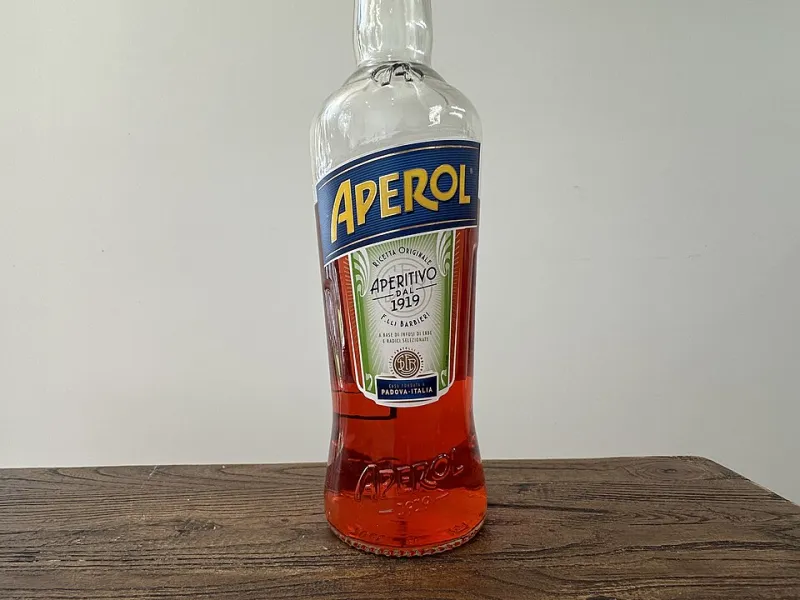
Photo: Indrajit Das, CC BY-SA 4.0, via Wikimedia Commons
Somewhere along the way, American happy hour went wrong. It became a marketing gimmick: discounted wings, fluorescent lighting, a two-drink maximum and a manager hovering. Then you go to Rome, order a €10 spritz at 7 p.m., and the bartender slides over a counter full of olives, focaccia, little rice balls, maybe some pasta salad — and you realize you've accidentally just eaten dinner for the price of a drink.
That's aperitivo. And once you understand the arithmetic, you can build entire Roman days around it.
First, Learn the Rules (So You Don't Blow Your Cover)
Aperitivo is a pre-dinner ritual, roughly 6:30 to 9 p.m., built around bitter drinks — the idea being that the bitterness wakes up your appetite. The canon:
- Aperol Spritz: Aperol, prosecco, soda. Bright orange, Instagram-famous, and honestly the beginner's choice. €8-10 in the center.
- Negroni: gin, Campari, vermouth. Stronger, more Roman, more serious. €9-12.
- Negroni Sbagliato: the "wrong" Negroni — prosecco instead of gin. Lighter, cheaper, and the drink of people in the know.
- Hugo: elderflower, mint, prosecco. Low-alcohol and dangerously easy.
- Americano: the granddaddy — Campari, vermouth, soda. Yes, it's named after us. Order one and enjoy the irony.
The unwritten rules: don't ask for a menu of snacks (they come automatically or not at all), don't expect a full meal — this is a nibble, not a buffet — and please, no tipping expectations beyond rounding up. And here's the crucial price trick: at the bar (al banco), you pay one price; at a table (al tavolo), you pay considerably more. Romans stand. Stand with them and your €8 spritz stays an €8 spritz.
The Neighborhood Crawl
The center is beautiful and expensive. The real aperitivo economy lives a couple of metro stops out.
Testaccio: Rome's old slaughterhouse district is now its most authentic food neighborhood, full of working Romans and prices from a decade ago. A spritz plus an abundant snack spread at a neighborhood bar here runs €6-8. Add a supplì (fried rice ball, €2-3) and you're fed like a king for the cost of a latte back home.
Trastevere, past the tourist line: Everyone gets to Piazza Santa Maria and stops. Walk ten more minutes up the hill toward Santa Costanza and the crowds evaporate, the drinks get cheaper, and the snack plates get more generous.
The Aventine, for the sunset splurge: This is your one-per-trip upgrade. A rooftop bar overlooking the Tiber and St. Peter's dome, a properly made Negroni at golden hour, €12-14. Worth every cent — this is the Fellini shot, the one from the movies, and it still costs less than a movie and popcorn in the States.
The $40 Day, Line by Line
Here's how the math plays out in practice:
- Morning: Cornetto and cappuccino standing at a bar, €3.50. (Yes, croissants are cheaper standing up too. The al banco rule is universal.)
- Lunch: A pizza al taglio slice and a water, or a plate of pasta at a lunch-only trattoria — €10-13.
- Afternoon: One gelato, €3. Non-negotiable. You're in Rome.
- Aperitivo, 7 p.m.: Spritz at a Testaccio bar with a serious snack spread, €8. Add a supplì, €2.50.
- If aperitivo was generous: dinner is a stroll, maybe a €4 slice of pizza bianca from a forno.
- If you're still hungry: a proper trattoria dinner — pasta, house wine, water — €20-25.
The generous version lands around $38-42 a day. The aperitivo-heavy version — and trust me, after a big Roman lunch you'll be amazed how well a snack-laden spritz covers dinner — dips into the low $30s. That's a full day of eating and drinking in the capital of Western civilization for less than a casual brunch in Brooklyn.
The Movie Ending
There's a reason every Roman holiday film — from Fellini's glittering nights to whatever Woody Allen was doing in the piazza — ends with drinks outdoors as the light goes purple. Aperitivo isn't a discount hack; it's the city's built-in pause button, the hour when Rome stops working and starts being Rome. Do it standing up, do it in a neighborhood where nobody speaks English at you, and do it before 8 p.m. like the locals.
Your wallet will thank you. Your evening will too.