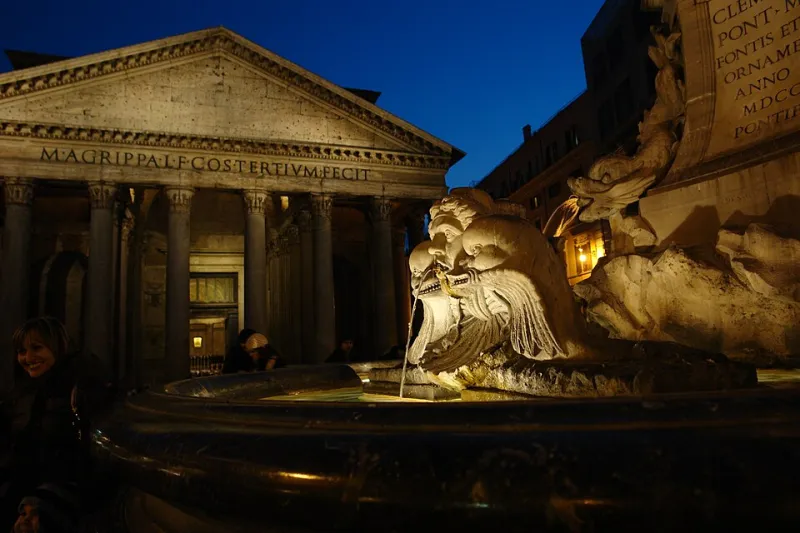
Five Euros and a Two-Hour Line: Has the Pantheon Finally Become a Victim of Its Own Fame?
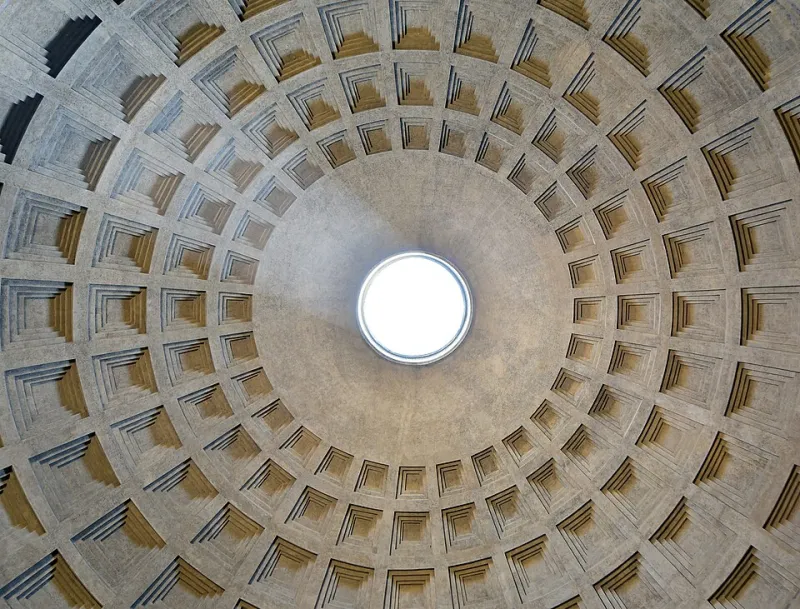
Photo: Livioandronico2013, CC BY-SA 4.0, via Wikimedia Commons
There's a moment, standing under the Pantheon's oculus, that every American tourist remembers. The light pours through that nine-meter hole in the roof, drifts across the coffered dome, and for a second — maybe two — you understand why people have been losing their minds over this building for nineteen hundred years.
Lately, though, that moment comes with a soundtrack: the click-click-click of a hundred phone cameras, a tour guide's amplified voice in four languages, and the shuffle of a line that starts before the doors open.
Rome's most intact ancient monument is being loved to death. And in 2023, the city did something about it — it started charging.
The €5 Question
For centuries, the Pantheon was (famously, defiantly) free. A church, a marvel, a public space — you just walked in. Then came the €5 admission fee, timed entry slots, and a cap on daily visitors. Locals and registered Rome residents can still enter free, but for the rest of us, the doors of the best-preserved building of ancient Rome now come with a ticket window.
Predictably, the reaction split down the middle. Part of the travel internet treated the fee like the fall of Western Civilization, Part II. Others shrugged: five bucks is less than a latte back home, and if it keeps the mob manageable, sign me up.
Having now visited both before and after the change, I'll say this plainly: the fee is fine. The line is shorter, the interior is calmer, and the building — the actual reason anyone is there — is better protected. What the fee can't fix is the deeper problem.
When the Experience Becomes the Selfie
I spent a morning outside the Pantheon talking with Marco, a licensed guide who's led tours here for fifteen years. "Before, people came and looked up," he told me. "Now, maybe sixty percent come in, hold the phone up, record the oculus, and leave. They never stop walking."
His point wasn't nostalgia for a purer age of tourism. It was arithmetic. A monument built to hold a congregation now processes visitors like a ride at Disney World. The timed-entry system keeps the flow moving, but the flow never stops. By evening, the piazza is a river of rolling suitcases and the surrounding bars charge eight euros for an Aperol spritz because, well, they can.
An American couple from Denver I chatted with in line put it more diplomatically. "We feel a little bad, honestly," the wife said. "Like we're part of the problem. But we flew 5,000 miles. We're not skipping the Pantheon."
And that's exactly the tension. Nobody is wrong individually. Collectively, we're wearing the place down.
Should Rome Go Further?
Venice has its day-tripper fee. Athens caps the Acropolis. Barcelona is fining illegal short-term rentals into oblivion. So the natural question: should Rome require reservations for its headline attractions across the board?
The Colosseum already runs timed entry. The Borghese Gallery has required reservations for decades — and it remains one of the most pleasant museum experiences in Europe precisely because of it. The Vatican Museums effectively run on timed tickets. The precedent exists. The infrastructure exists.
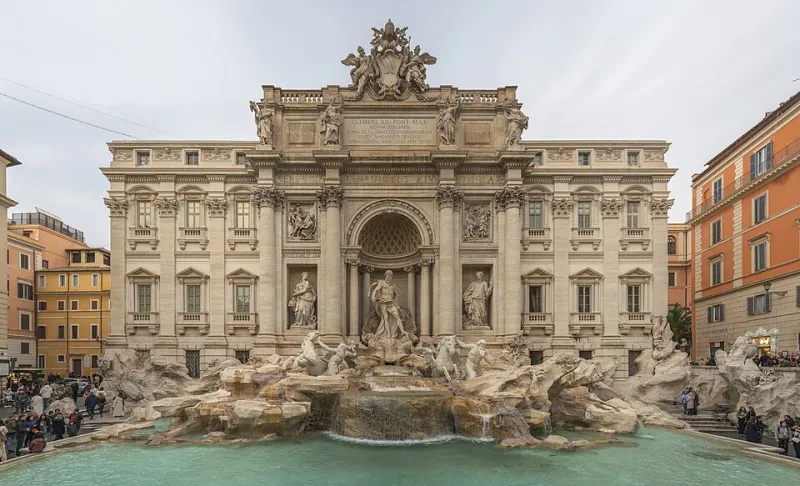
What's missing is the political will, because Rome's tourism economy is a beast that feeds roughly 13 percent of the city's workforce, and nobody wins elections by making the Trevi Fountain harder to reach. So instead we get half-measures: splash guards to stop tourists swimming in the fountain, sitting bans on the Spanish Steps, and a mayor who talks tough about "decency ordinances" while the cruise crowds keep rolling in.
The Case for Slowing Down
Here's my modest proposal, and it doesn't require the city council to do anything. It requires us — the travelers — to change one habit.
Stop doing Rome as a checklist.
The Pantheon problem isn't really about the Pantheon. It's about the itinerary that crams the Colosseum, the Forum, the Pantheon, the Trevi Fountain, and the Spanish Steps into a single eight-hour port day, reducing two thousand years of civilization to a photo scavenger hunt. When you see ten things for ninety seconds each, you haven't seen Rome. You've seen its lobby.
Instead: pick one monument per morning. Linger. Sit in the piazza after and actually look at the building from outside, with a coffee you're not being rushed through. Walk ten minutes in any direction afterward and you'll find a church like Santa Maria Sopra Minerva — right behind the Pantheon, home to a Bernini elephant and a Blue-chip Renaissance interior, and usually half empty.
The Pantheon will still be there in fifty years. Whether it will still feel like a place of awe or just another ticketed attraction depends on a question every one of us answers at the turnstile: are we here to see it, or just to say we did?
Five euros says it's worth finding out the right way.