Twenty Euros, One Basket: What Happens When You Shop a Roman Supermarket Like a Local
Photo: Internet Archive Book Images, No restrictions, via Wikimedia Commons
Somewhere between the Colosseum and your third plate of carbonara, a truth settles in: Rome is expensive when you eat out three times a day. But there's a whole side of Roman food culture hiding behind automatic sliding doors and hand-lettered window signs, and most American visitors walk right past it.
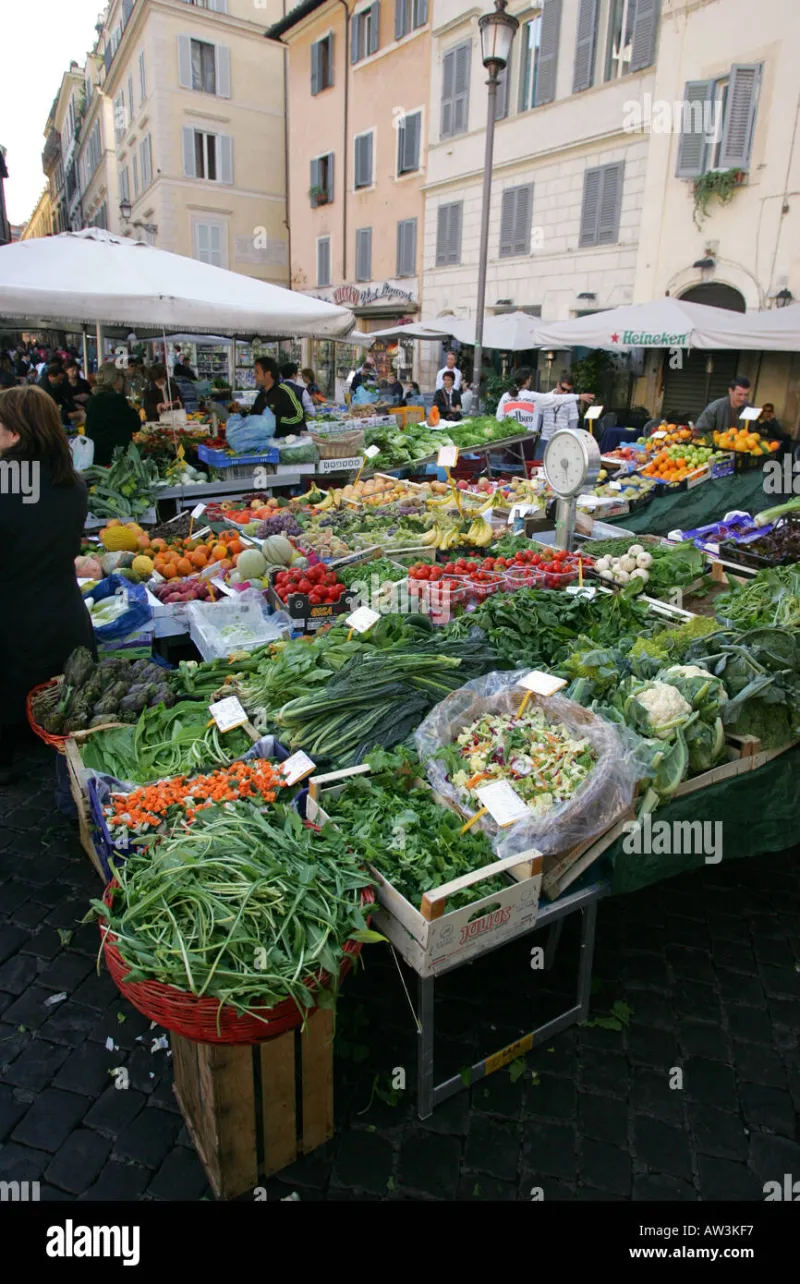
I'm talking about supermarkets and alimentari — the neighborhood corner groceries with prosciutto hanging in the window and a counter guy who will slice your cheese by hand while chatting about the weather. This isn't a food tour. It's a shopping trip. And it might be the best €20 you spend in the city.
Start Where the Romans Start
Rome's big grocery chains are Coop, Conad, Carrefour, and Pam. You'll spot them a few steps off the tourist corridors — there's a Conad practically in the shadow of Campo de' Fiori. Unlike American grocery stores, these are compact. Think Trader Joe's footprint, not a suburban Kroger. You grab a basket (carts often need a coin deposit), and you work the aisles in maybe twenty minutes.
A few things will feel unfamiliar:
- You bag your own groceries, and fast. Romans behind you in line expect speed.
- Produce gets weighed and labeled in the produce section before checkout. Skip this step and you'll get the universal Italian sigh at the register.
- Eggs aren't refrigerated, the milk is often on shelves in aseptic boxes, and nobody's worried. Roll with it.
The €20 Challenge
Here's the game: feed two people a genuine Roman dinner — drink included — for twenty euros. It's doable, and honestly, it's not even hard. My basket from a Conad near Monti:
- Fresh bread roll from the in-store bakery: €0.90
- 100g of prosciutto crudo, sliced at the counter: €3.20
- A hunk of pecorino romano: €3.50
- Cherry tomatoes and a ball of fresh mozzarella: €4.10
- A bottle of Montepulciano d'Abruzzo: €4.50
- A bar of store-brand cioccolato fondente for dessert: €1.10
Total: €17.30. That's dinner for two on a bench overlooking the Tiber, with change left for an espresso the next morning. Try pulling that off at a restaurant two blocks from the Pantheon.
The Store Brands That Beat What You Pay For at Home
This is where the crawl gets fun. Italian private-label products aren't the sad generic stuff we know from home — they're often made by the same producers as the name brands, and some of them are genuinely excellent.
- Coop olive oil. Their house extra virgin, the one in the dark green bottle, routinely wins blind tastings. It costs a fraction of what a mediocre bottle goes for in a US specialty store.
- Esselunga (or Conad) grissini. Breadsticks so crisp and buttery that you'll be hiding the box from your travel partner.
- Store-brand pesto. The refrigerated kind, not the shelf-stable jar. It tastes like someone's basil garden, not like a warehouse.
- Yogurt in glass jars. Thick, tangy, barely sweet. Americans used to the squeeze-tube stuff will be suspicious of how good this is.
- The wine wall. Not a store brand, technically, but a €4–5 bottle from Lazio — Rome's own region — is exactly what locals drink with Tuesday dinner. There is no shame in the cheap wine here. There's tradition in it.
Don't Skip the Alimentari
Supermarkets are efficient, but the alimentari is the experience. These little shops — one per neighborhood, roughly — are where the transactions turn into conversations. Point at the cheeses, ask for a taste, let the owner talk you into the salami you didn't plan on. A mortadella-and-pecorino sandwich made on the spot will run you €4–5 and beat half the panini shops charging tourists €9 in the centro storico.
A few phrases go a long way: posso assaggiare? (can I taste it?) and quanto costa? (how much?). That's it. That's the whole language barrier overcome.
The Picnic Plan
Once you've shopped, you need a venue. Rome practically begs for it: the grassy ruins of the Palatine Hill's edges, the Orange Garden on the Aventine at sunset, a low wall along the Tiber near Trastevere. Bring a cheap knife, a bottle opener, and a plastic cup or two — packed from home, since you're not finding those at the checkout.
One note on etiquette: eating on church steps is frowned upon and occasionally fined. Pick a park or a piazza with benches instead, and pack out what you pack in.
Why This Beats Another Restaurant Night
Nobody's saying skip the trattorias — the nonnas of this city earned their reputation. But a supermarket crawl gives you something a restaurant can't: a peek at daily Roman life, a wallet that survives another day, and the smug satisfaction of eating pecorino and drinking Lazio wine on a two-thousand-year-old hill for less than the cost of a airport sandwich back home.
Twenty euros. One basket. Zero regrets.