Leave the Keys at the Hotel: Why Driving in Rome Will Ruin Your Vacation
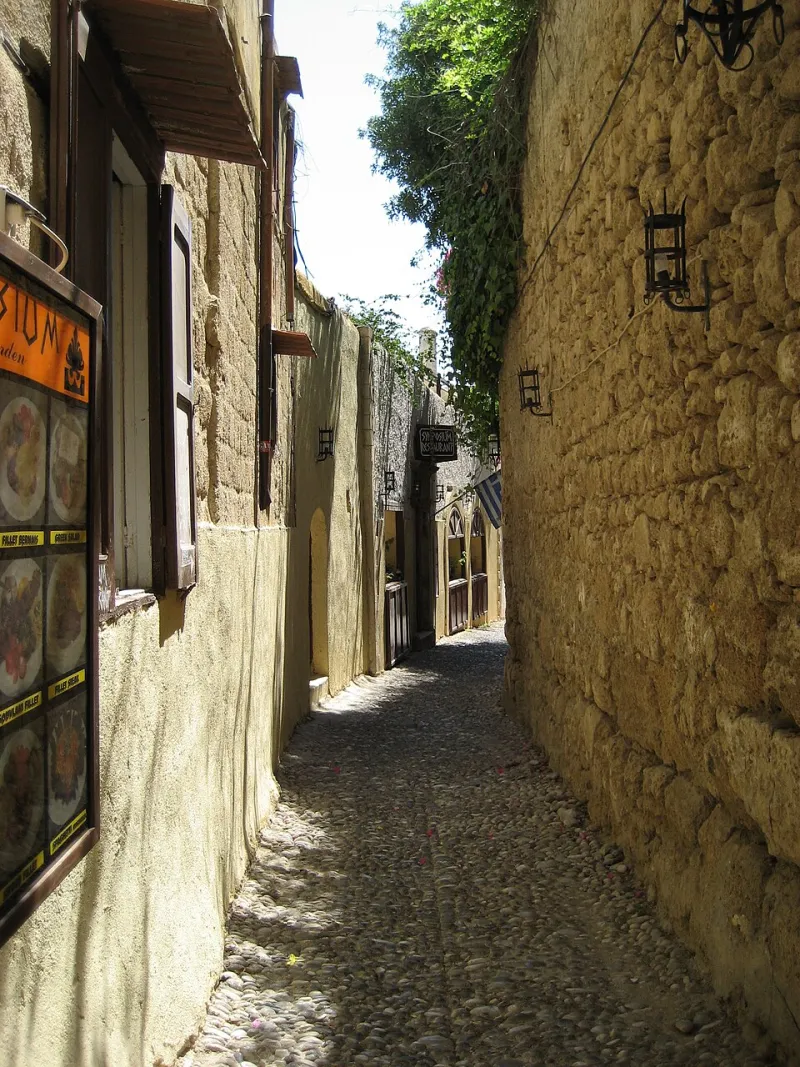
Photo: Joe Ross from Lansing, Michigan, CC BY-SA 2.0, via Wikimedia Commons
Let's be honest: if you're American, your vacation brain is wired for cars. You drive to the airport, you rent a car at the airport, you drive everywhere until you drive home. It's how we've seen half the national parks and most of Florida.
Rome does not care about your vacation brain. Rome, in fact, would like a word.
The ZTL: A Traffic Ticket You Get in the Mail
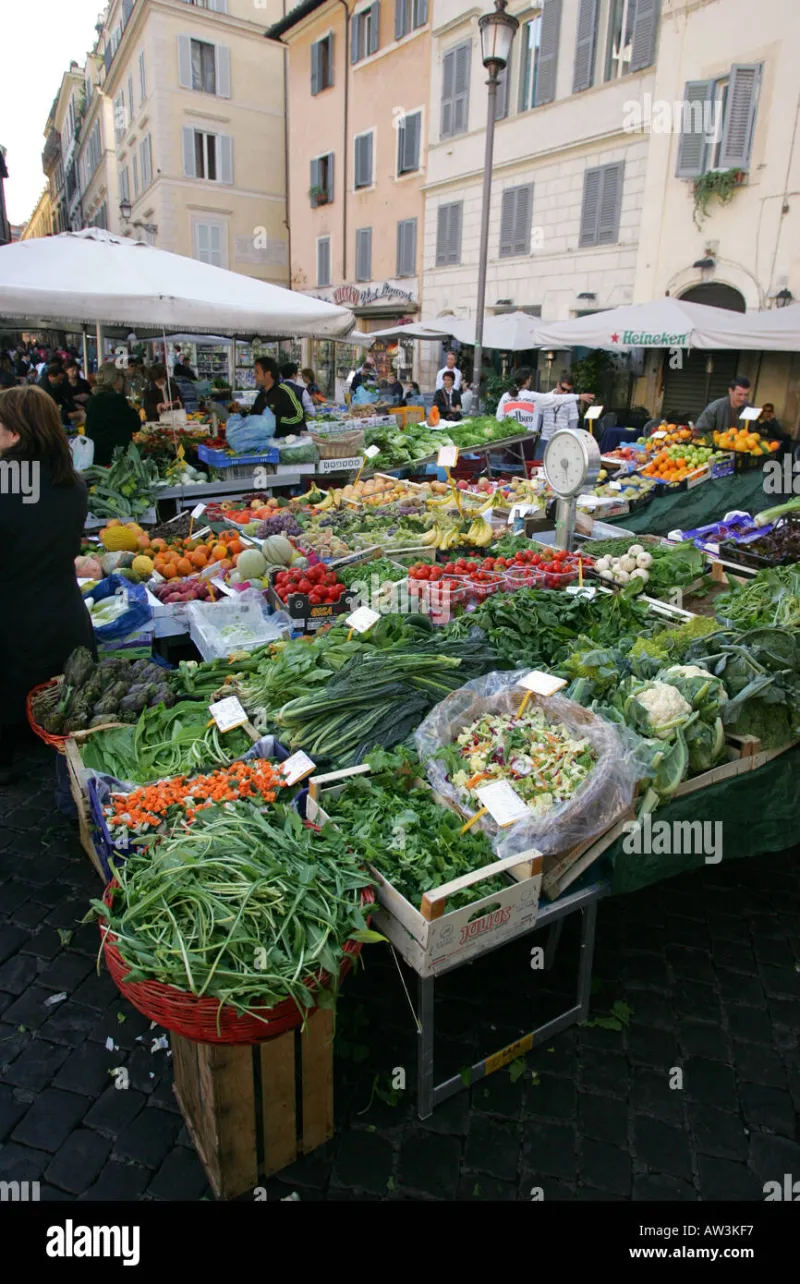
Start with the acronym every rental-car convert learns too late: ZTL, short for Zona a Traffico Limitato. Much of Rome's historic center — the whole pantheon of postcard neighborhoods, from Campo de' Fiori to the Pantheon to chunks of Trastevere — sits inside these restricted zones. Cameras read license plates automatically. If you drive in without a permit, you won't get pulled over. You'll get nothing. Then, three to six months after you're home, your rental company forwards a stack of fines, one per violation, per day.
Yes, per day. Visitors have come home to €200+ in tickets for a single misguided drive to the hotel.
And here's the kicker: the zones are marked only by unassuming signs in Italian, and many rental agencies won't warn you. Your GPS won't save you either — plenty of apps happily route tourists straight through ZTLs.
Parking Is a Contact Sport
Suppose you dodge the ZTLs. Now find a spot.
White lines mean free parking — theoretically. Blue lines mean paid. Yellow means residents only, and the yellow spots seem to outnumber everything else. Street space is so scarce that Roman parking is best described as geometry with a driver's license: cars wedged into gaps measured in centimeters, bumpers kissing, mirrors folded.
Garages exist, but expect €25–€40 a night in the center. That's real money on top of your rental fee, the fuel, the insurance, and the eventual ZTL fines. You could fund a very nice dinner for two at a trattoria with what parking alone costs.
The Traffic Itself
Roman driving is a cultural experience, just not one you want to participate in. Scooters flow between lanes like water finding cracks. Crosswalks are suggestions. Mopeds appear from places mopeds should not be able to appear from. Locals navigate this with a lifetime of unspoken rules; you'll be white-knuckling a Fiat at 25 mph while a Vespa with a family of three aboard passes on your right. On the sidewalk. Sort of.
What to Do Instead: The Rome Transit Playbook
The good news: Rome is one of the easiest major cities in Europe to visit car-free. Here's the game plan.
From the airport: Skip the rental counter. The Leonardo Express train runs from Fiumicino to Termini Station nonstop in about 32 minutes, for €14. No traffic, no parking garage, no tolls. Ciampino airport has cheap shuttle buses to Termini as well.
In the city: Rome's Metro has three lines (A, B, and C) that cover the big stuff — the Colosseum, the Vatican, the Spanish Steps are all walkable from a stop. A 100-minute ticket costs about what a vending machine soda does back home. Buses and trams fill in the gaps, and Google Maps handles the routes fine.
But mostly: walk. This is the real secret. Rome's historic center is compact — the Pantheon to Piazza Navona is a seven-minute stroll, the Trevi Fountain to the Spanish Steps even less. The city's best moments aren't destinations anyway; they're the detours. A courtyard you weren't expecting. A gelato stand between two ruins. You can't have any of that from behind a windshield.
Wear real shoes. The sampietrini cobblestones are charming for about an hour and merciless for the rest of the day.
When You Actually Do Want a Car: Day Trips by Train
Maybe you're dreaming of the countryside — hill towns, wine country, that Tuscany fantasy. You still don't need to rent a car in Rome.
- Ostia Antica: Rome's answer to Pompeii, twenty minutes away on the suburban Roma-Lido train. Ruins, mosaics, an ancient amphitheater, and a fraction of Pompeii's crowds.
- Orvieto: One hour by regional train from Termini, then a funicular up the cliff to one of Umbria's great hill towns.
- Florence: The fast train gets you there in 1.5 hours. Yes, Florence. As a day trip. With a car, it's three-plus hours of highway and then a parking problem.
- Naples: About 70 minutes on the high-speed line, and the gateway to Pompeii and the Amalfi coast if you want to extend.
Book regional and high-speed tickets on Trenitalia or Italo in advance and you'll often pay less than a day of downtown parking.
The Bottom Line
A car in Rome isn't just unnecessary — it's an active liability, a machine for generating fines, stress, and missed experiences. Everything worth seeing in the city center, you can reach on foot or with a €1.50 metro ticket. Everything worth seeing beyond it, the trains reach faster and cheaper than you can.
So when the rental counter agent asks if you'd like to upgrade to an SUV, smile, say no grazie, and go catch the train. Your wallet, your blood pressure, and your mailbox (the one that won't be stuffed with Italian traffic citations) will all thank you.