The Wheels Problem: How to Actually Do Rome When the City Fights Back
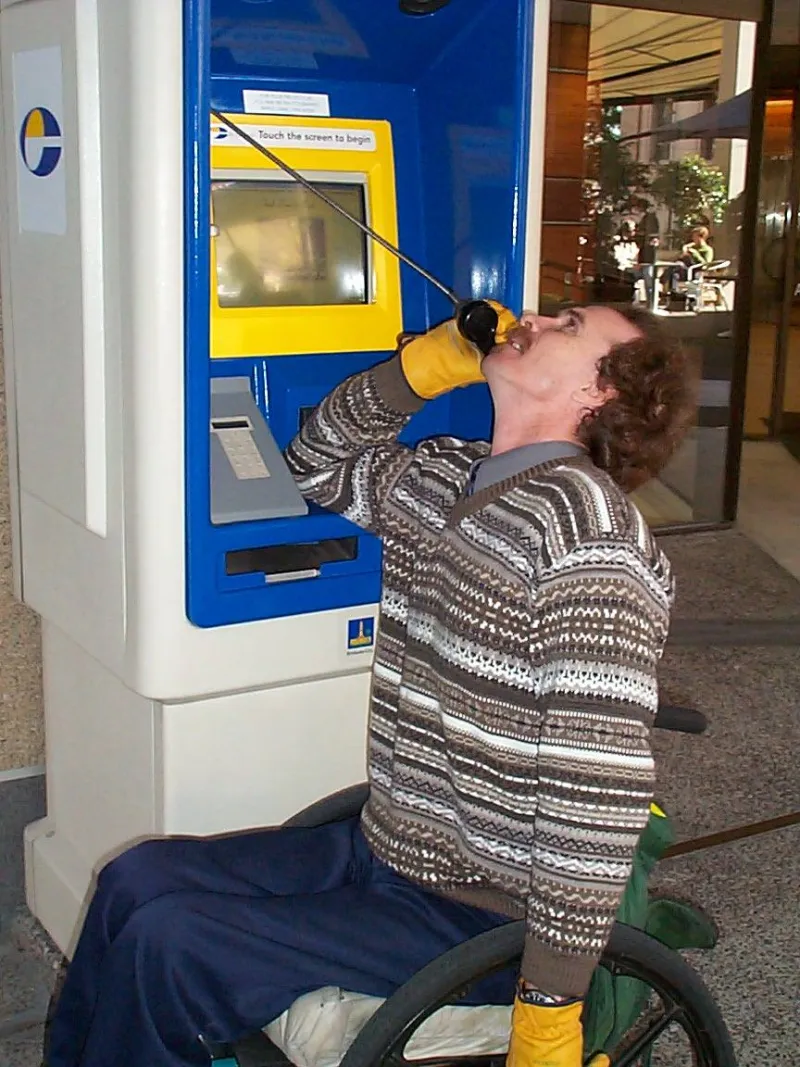
Photo: John Robert McPherson, CC0, via Wikimedia Commons
Let's start with the truth nobody puts on a brochure: Rome is one of the least wheel-friendly major cities in Western Europe. Not unfriendly on purpose — just two thousand years old and built on hills, with sidewalks made of volcanic stone that splits, buckles, and disappears entirely when a new utility company decides to dig.
If you're traveling with a wheelchair, a stroller, a knee that doesn't cooperate, or a 50-pound suitcase you refused to check, this guide is for you. It's not a list of complaints. It's a battle plan.
The Laws Are Great. The Sidewalks Haven't Read Them.
Italy has had strong accessibility legislation on the books since the 1990s — newer public buildings, museums, and transit stations are legally required to provide barrier-free access. And to be fair, a lot of the official infrastructure delivers. The problem is the last hundred meters: the street in front of the accessible museum entrance, the gap between the tram platform and the tram, the curb that technically has a ramp but drops you straight into a puddle.
The gap between law and pavement is where most trips go sideways. Plan for it, and you'll be fine.
Know Your Neighborhoods Before You Book That Hotel
This is the single biggest decision you'll make, and booking platforms won't tell you any of it.
The hard mode: Trastevere, Monti, and anything in the historic center's back streets. These are the cobblestone mazes — gorgeous, atmospheric, and absolutely brutal on wheels. Trastevere in particular is a stroller's nightmare after dark, when the alleys fill with outdoor tables. If you're set on staying there, know what you're signing up for.
The middle ground: Prati and the area around the Vatican. Wide sidewalks, mostly flat, real crosswalks, and a residential calm the centro storico can't offer. Prati is genuinely one of the best-kept secrets for travelers with mobility needs.
The easy mode: The flat stretch along the Tiber, much of the area between Piazza Navona and the Pantheon (with exceptions), and the modern business districts near EUR. Also worth noting: Rome's hills matter. The Spanish Steps area means climbing. The Pantheon area is low and flat. Check the elevation before you book, not after.
Attractions That Secretly Have Elevators (and the Ones That Don't)
Rome's major sites vary wildly, and almost none of them advertise their access info clearly on the front door.
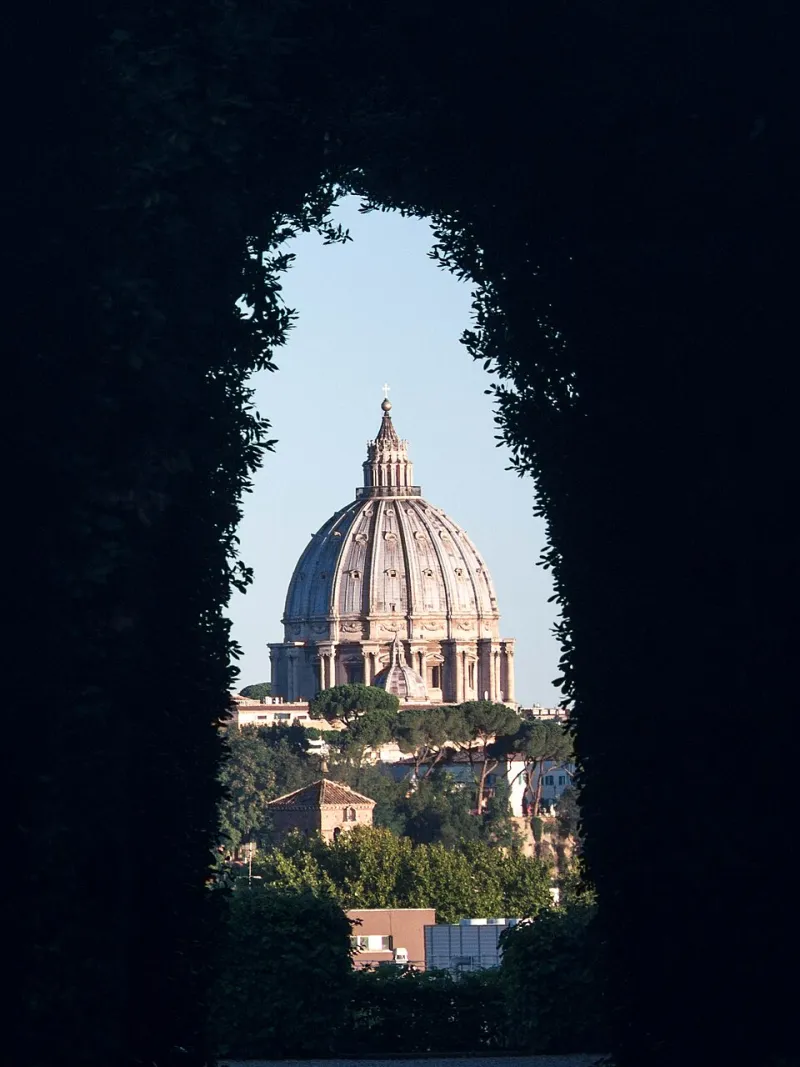
The good news: The Colosseum has elevator access to the main level and has made real strides in recent years. St. Peter's Basilica has ramps and a dedicated accessible entrance — look for it to the right of the main doors, where the staff will often let you skip a chunk of the security line. The Vatican Museums have elevators covering most of the route, though some side galleries involve steps. The Capitoline Museums have a modern access route through their underground connection.
The mixed news: The Roman Forum and Palatine Hill are the tough ones — it's an archaeological site, which means ancient terrain. There are accessible paths on the main route, but expect gravel and slopes. The Pantheon, ironically, is nearly step-free once you're in, though the surrounding piazza has its cobblestone moments.
Call ahead. Always. Email or phone the site a week before you go. The official answers are often better than what you'll find on TripAdvisor, and staff can sometimes arrange entrances that aren't listed anywhere online.
Getting Around: Transit, Taxis, and the Suitcase Question
Rome's Metro is hit-or-miss — Line B has more elevator coverage than Line A, but don't count on it station by station. Buses are technically all wheelchair-accessible under Italian law, and the newer ones genuinely are, with ramps that actually work. Trams are less reliable.
The real workhorse for accessible Rome travel is the taxi. It's affordable by US standards, and Rome's white cabs are metered and honest on the main routes. Download the IT Taxi or FreeNow app so you're not hailing from a curb that doesn't exist.
On luggage: if you're rolling your own bag from the airport, reconsider. The Leonardo Express from Fiumicino is step-free at both Termini and the airport, but Termini itself is enormous, and the last stretch to your hotel is where wheels meet sampietrini and lose. Budget 15–20 euros for a taxi from Termini to your hotel and treat it as the cheapest insurance of your whole trip.
A Sample Low-Stairs Day
Here's the kind of itinerary that works when stairs and cobblestones are the enemy:
Morning: Taxi to St. Peter's. Use the accessible entrance, see the basilica, and walk (or roll) the flat Via della Conciliazione afterward.
Midday: Lunch in Prati — flat, calm, and full of restaurants that don't require descending into a cellar dining room, which is more common in the centro than you'd think.
Afternoon: Taxi to the Capitoline Museums and use their accessible route. Finish with the view over the Forum from the terraces — you get the ancient city without the ancient terrain.
Evening: Aperitivo near Piazza Navona or Campo de' Fiori's flat edges, then a taxi home. You've seen the greatest hits without a single staircase.
The Mindset Shift
Travelers who struggle most in Rome are the ones who planned a walking itinerary and hoped for the best. The ones who thrive treat taxis like a feature, not a failure. Rome rewards the traveler who says: I'll see fewer things, better, and I'll get to each of them without heroics.
The Eternal City has been standing for two millennia. It'll still be there when you come back with fresh knees. Plan around the pavement, not through it, and Rome gives you everything the guidebooks promise — just with a few more taxi receipts.