The Fourth-Floor Truth: Renting an Apartment in Rome Without Getting Burned
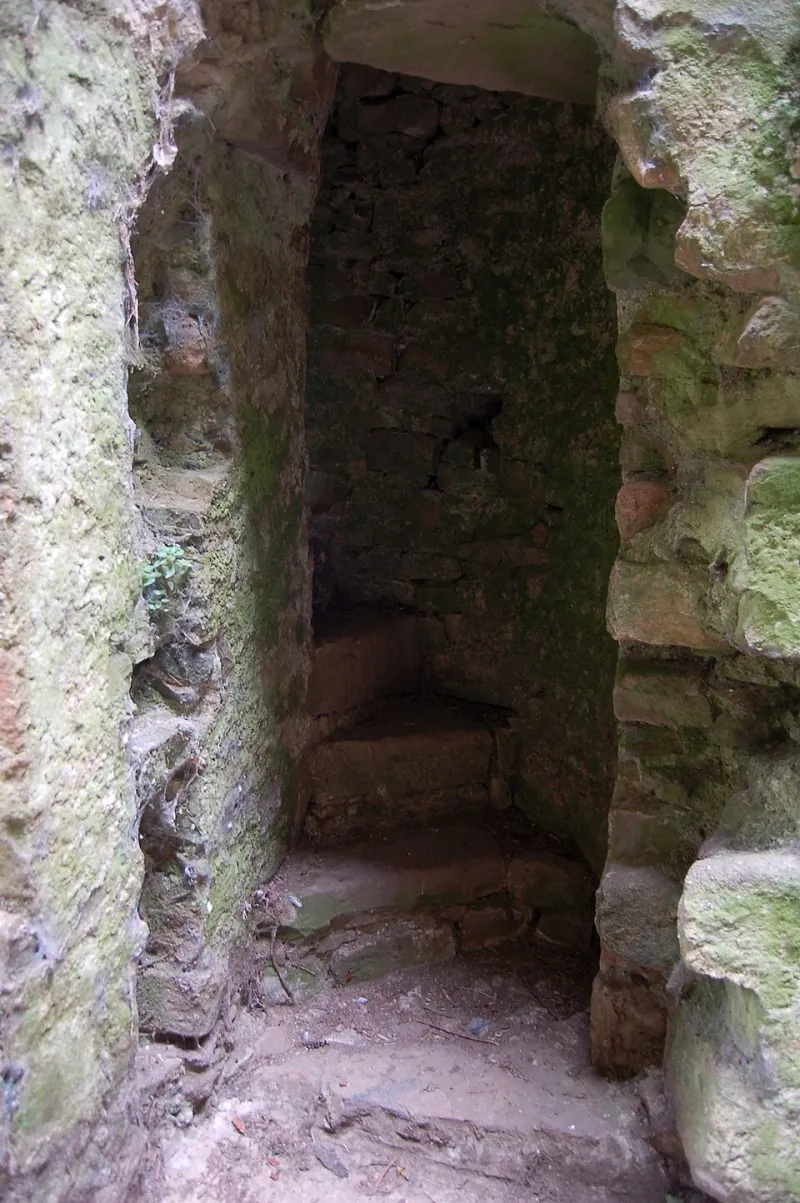
Photo: A.-K. D., CC BY-SA 4.0, via Wikimedia Commons
There's a moment that happens to American travelers in Rome with almost comic regularity. You drag your suitcase up four flights of a marble staircase built in 1730, sweating through your airport outfit, only to discover the elevator — mentioned nowhere in the listing — was 'temporarily out of service' in 2019 and never came back.
Apartment rentals remain one of the best value plays in Rome, especially for families or anyone staying longer than a long weekend. But the gap between the listing photos and reality can be wider than the Tiber. Here's how to close it.
Learn the Code Words
Italian rental listings have their own vocabulary, and a little translation goes a long way:
- 'Vicino alla metro' (near the metro) can mean a two-minute walk or a twenty-minute one. Roman real estate agents are optimists. Ask for the actual address and check it on a map yourself.
- 'Panorama' usually means a view — and stairs. Lots of stairs. Top-floor apartments have the best light and the worst climbs.
- 'Ascensore' means elevator, but verify it serves every floor. Half the buildings in centro storico have lifts that stop one flight short of the top.
- 'Aria condizionata' — air conditioning — is not guaranteed, even in summer. If it's not in the listing, assume you won't have it in August.
The Walk-Up Reality
Much of central Rome — the charming part you came for — is protected historic fabric. That means no new elevators in most old buildings, narrow spiral staircases, and sometimes no lock on the lobby door. A fourth-floor walk-up is genuinely normal. If anyone in your party has knee issues or you're traveling with a toddler and a stroller (ask us how we know), this single detail can make or break your trip.
Questions to Ask Before You Pay the Deposit
Send these in an email — the answers create a paper trail:
- What floor is the apartment on, and is there an elevator that reaches it?
- Is the air conditioning in every room or just the living room?
- How is the Wi-Fi speed measured, and is it fiber?
- Is the building on a ZTL-restricted street where taxis can't drop me off?
- What's the checkout process, and is luggage storage available after checkout?
- Who do I call at 9 p.m. if the water heater dies?
That last question matters more than you'd think. Small Roman landlords are often wonderful but not exactly 24/7 operations.
Where Your Dollars Stretch Furthest
Prati — Right next to the Vatican, orderly, quiet, full of actual Romans, and noticeably cheaper than the historic center. Great metro access on the A line.
Monti — Bohemian, walkable to the Forum and Colosseum, and packed with small independent apartments. You'll pay a bit more, but you save on taxis entirely.
Testaccio — The locals' food neighborhood. Slightly off the tourist map, which means more square meters for your money and the best market lunch in the city.
San Lorenzo — Student territory, rock-bottom prices, and a 15-minute bus to Termini. Best for budget travelers who don't need postcard views from the bedroom window.
The Deposit Dance
Most Roman hosts will ask for a deposit via bank transfer or a platform payment. Never wire money to a personal account for a place you haven't verified. Use platforms with buyer protection when you can, and if you book direct (which often gets you a better rate), ask for a video walkthrough before paying. Any legitimate host will happily oblige — and might even show you where they hide the spare key.
Rome rewards travelers who do a little homework. Five minutes of pointed questions now means the only surprise when you arrive is how good that first evening espresso tastes on your own private balcony.